
Post
When to Switch to Winter Tires: A Safety and Performance Guide
Jun
When to Switch to Winter Tires: A Safety and Performance Guide
Introduction
As temperatures begin to fall, many drivers focus on preparing their vehicles for winter by checking antifreeze levels, replacing windshield wipers, and inspecting the battery. However, one of the most important safety decisions you can make is choosing the right tires for cold-weather driving.
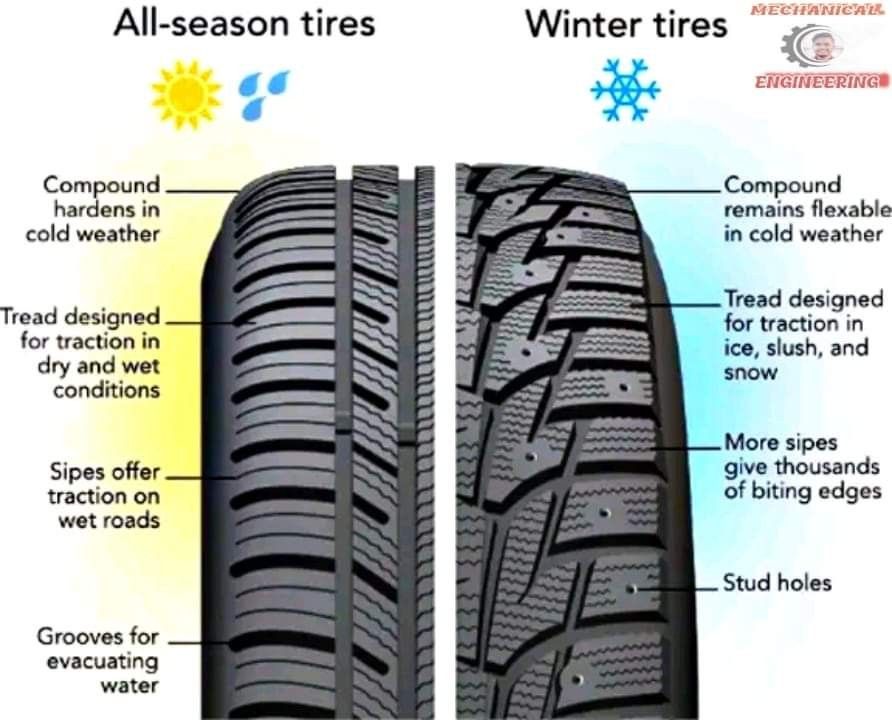
While all-season tires perform adequately in mild conditions, they are not specifically engineered for freezing temperatures, snow, or ice. Winter tires, also known as snow tires, are designed with specialized rubber compounds and tread patterns that maintain grip in cold weather, helping improve braking, acceleration, and cornering when road conditions become challenging.
Knowing when to switch to winter tires can significantly improve your vehicle’s safety and performance throughout the colder months. This guide explains the ideal timing, the benefits of winter tires, and how to choose the right set for your vehicle.
Learn more about winter tire technology from a leading manufacturer:
Why Winter Tires Matter


Winter driving presents unique challenges that standard tires are not optimized to handle. Snow, slush, ice, and freezing temperatures reduce traction and increase stopping distances, making even routine trips more hazardous.
Winter tires are designed to provide:
- Better traction on snow and ice
- Shorter braking distances in cold weather
- Improved steering response
- Enhanced cornering stability
- Greater driver confidence
These advantages can make a significant difference during emergency maneuvers or sudden weather changes.
The Best Time to Install Winter Tires
The ideal time to switch is before winter weather arrives, not after the first snowfall.
A commonly recommended guideline is to install winter tires when average daily temperatures consistently fall below 7°C (45°F).
Why this temperature?
Most all-season and summer tires begin to lose flexibility below this point, reducing their ability to grip the road. Winter tires use a softer rubber compound that remains pliable in cold conditions, maintaining better contact with the road surface.
Waiting until snow is already on the ground may leave you driving with reduced traction during the first storms of the season.
How Winter Tires Improve Safety


Winter tires improve performance in several key areas.
Better Braking
Specialized tread compounds and deeper grooves help reduce stopping distances on snow-covered and icy roads.
Improved Acceleration
Additional traction allows the tires to transfer power more effectively, reducing wheel spin when starting on slippery surfaces.
Better Cornering
Flexible rubber and advanced tread designs help maintain grip while turning in cold weather.
Enhanced Stability
Winter tires improve control during sudden lane changes or emergency braking.
What Makes Winter Tires Different?
Several design features distinguish winter tires from all-season or summer tires.
Specialized Rubber Compound
Winter tires remain soft and flexible in freezing temperatures, unlike conventional tires that become harder and lose grip.
Deep Tread Grooves
Wide grooves help channel snow, slush, and water away from the contact patch.
High Sipe Density
Thousands of small slits called sipes create additional biting edges that improve traction on snow and ice.
Three-Peak Mountain Snowflake (3PMSF)
Look for the Three-Peak Mountain Snowflake (3PMSF) symbol on the tire sidewall. This certification indicates that the tire has met industry standards for severe snow performance.
Winter Tires vs. All-Season Tires


| Feature | Winter Tires | All-Season Tires |
|---|---|---|
| Cold Weather Grip | Excellent | Moderate |
| Snow Traction | Excellent | Fair to Good |
| Ice Performance | Excellent | Limited |
| Dry Winter Roads | Excellent | Good |
| Warm Weather Use | Not Recommended | Excellent |
| Rubber Flexibility Below 7°C | High | Reduced |
All-season tires are designed to provide balanced performance across a variety of conditions, but they cannot match the cold-weather capability of dedicated winter tires.
Who Should Use Winter Tires?
Winter tires are recommended for drivers who regularly experience:
- Snowfall
- Ice-covered roads
- Freezing temperatures
- Mountain driving
- Rural roads with limited snow removal
- Frequent winter travel
Even if roads are frequently cleared, cold pavement alone can reduce the effectiveness of all-season tires.
Should You Install Four Winter Tires?
Yes.
Installing winter tires on only two wheels can create uneven traction, increasing the risk of losing control during braking or cornering.
For the best balance and stability:
- Install a complete set of four matching winter tires.
- Ensure they are the correct size and specifications recommended by your vehicle manufacturer.
When to Switch Back
Winter tires should be removed once average temperatures consistently remain above 7°C (45°F).
Using winter tires during warm weather can lead to:
- Faster tread wear
- Reduced fuel efficiency
- Less responsive handling
- Increased stopping distances on hot pavement
Switching back to all-season or summer tires at the appropriate time helps maximize the lifespan of both sets.
Tips for Winter Tire Maintenance
To get the best performance from your winter tires:
- Check tire pressure regularly, as cold weather can reduce air pressure.
- Rotate tires according to your vehicle manufacturer’s maintenance schedule.
- Inspect tread depth before and during the season.
- Remove snow, ice, and debris from the tread when necessary.
- Store unused tires in a cool, dry location away from direct sunlight.
Proper maintenance helps ensure optimal performance throughout the winter season.
Common Misconceptions
Myth: All-Wheel Drive Eliminates the Need for Winter Tires
False.
All-wheel drive improves acceleration but does not significantly improve braking or cornering on snow and ice. Tire grip remains the most important factor.
Myth: Winter Tires Are Only for Snow
False.
Winter tires are designed for cold temperatures, not just snow. They perform better than all-season tires even on dry roads when temperatures are below 7°C.
Myth: One Pair of Winter Tires Is Enough
False.
Using only two winter tires can upset the vehicle’s balance and reduce overall stability. Four matching winter tires are strongly recommended.
Buying Checklist
Before purchasing winter tires, make sure they:
✔ Match your vehicle’s recommended size
✔ Carry the Three-Peak Mountain Snowflake (3PMSF) certification
✔ Meet the required load and speed ratings
✔ Suit your local winter climate and road conditions
✔ Are installed as a complete set of four
Conclusion
Switching to winter tires at the right time is one of the most effective ways to improve safety during the colder months. Once average daily temperatures consistently drop below 7°C (45°F), dedicated winter tires provide superior grip, shorter braking distances, and better control than all-season or summer tires thanks to their specialized rubber compounds and tread designs.
Whether you drive a compact car, SUV, or pickup truck, investing in a quality set of winter tires can significantly enhance confidence and safety on snow-covered, icy, or simply cold roads. By installing them before severe weather arrives, maintaining proper tire pressure, and switching back when temperatures rise, you’ll maximize both performance and tire longevity while ensuring your vehicle is prepared for whatever winter brings.
