
Post
Are Winter Tires Really Worth It? Breaking Down the Myths
Jun
Are Winter Tires Really Worth It? Breaking Down the Myths
Introduction
When temperatures begin to drop and snow starts to fall, many drivers wonder whether investing in winter tires is truly necessary. Some believe that modern all-season tires are sufficient, while others assume that features like all-wheel drive (AWD) eliminate the need for specialized winter tires.
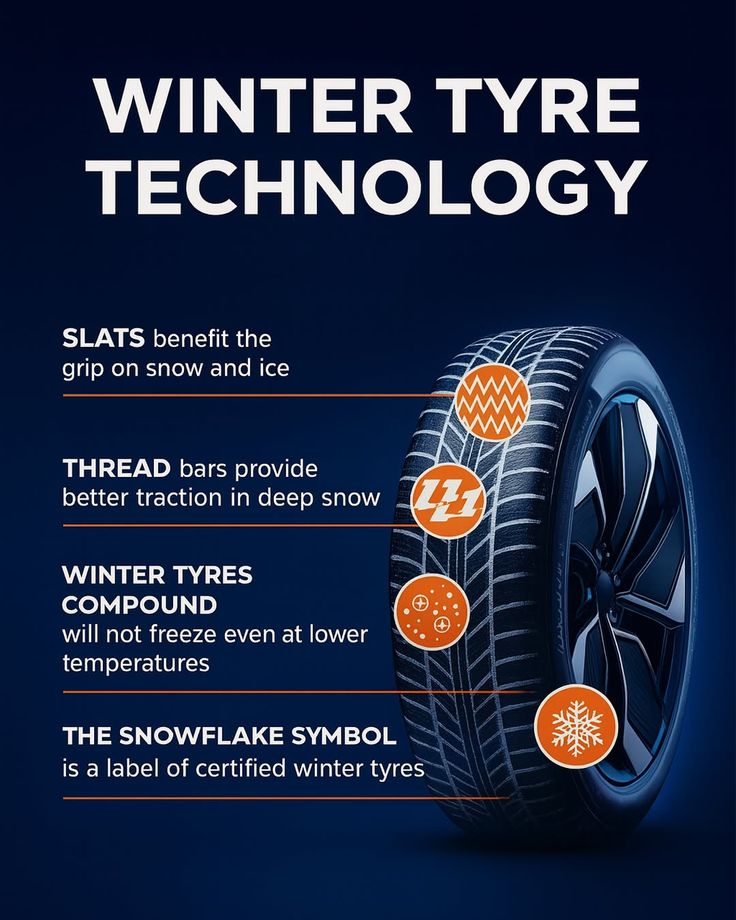
The reality is that winter tires are designed with advanced rubber compounds and tread patterns specifically engineered for cold-weather driving. They provide significantly better traction, shorter braking distances, and improved vehicle control on snow, ice, and cold pavement.
In this comprehensive guide, we’ll separate fact from fiction, break down the most common myths about winter tires, and help you decide whether they’re the right investment for your driving needs.
Learn more about winter tire technology from one of the industry’s leading manufacturers:
Why Winter Tires Exist


Winter tires are designed to perform in conditions where standard all-season and summer tires begin to lose effectiveness.
Their key advantages include:
- Superior traction on snow and ice
- Better grip on cold pavement
- Shorter braking distances
- Improved cornering stability
- Increased driver confidence during winter weather
Unlike all-season tires, winter tires remain flexible in freezing temperatures, allowing them to maintain better contact with the road surface.
Myth 1: “All-Season Tires Are Good Enough”
Reality
All-season tires are engineered to provide balanced performance across a variety of conditions, but they are a compromise rather than a specialized solution.
When temperatures consistently fall below 7°C (45°F), the rubber compound in many all-season tires becomes firmer, reducing grip on cold roads.
Winter tires use a softer compound that remains flexible in low temperatures, helping improve:
- Braking
- Steering response
- Cornering
- Acceleration
Even on dry roads, winter tires can provide better cold-weather traction than all-season tires.
Myth 2: “I Have All-Wheel Drive, So I Don’t Need Winter Tires”


Reality
This is one of the most common misconceptions.
All-wheel drive improves acceleration by distributing power to multiple wheels, but it does not significantly improve:
- Braking
- Cornering
- Emergency handling
Your tires—not your drivetrain—are responsible for generating the grip needed to stop and steer the vehicle.
An AWD vehicle with all-season tires may accelerate confidently on snow but still require a longer distance to stop than a two-wheel-drive vehicle equipped with quality winter tires.
Myth 3: “Winter Tires Are Only Useful in Deep Snow”
Reality
Winter tires are designed for cold temperatures, not just snow.
They improve performance on:
- Cold dry pavement
- Wet winter roads
- Black ice
- Slush
- Packed snow
- Frost-covered surfaces
Because the rubber stays flexible, winter tires continue to grip effectively even when roads appear clear but temperatures remain below freezing.
Myth 4: “Winter Tires Wear Out Too Quickly”
Reality
Winter tires are designed for seasonal use.
When used only during colder months and replaced with all-season or summer tires as temperatures rise, they can provide several seasons of reliable service.
To maximize their lifespan:
- Install them when average temperatures consistently fall below 7°C (45°F).
- Remove them when temperatures remain above that threshold.
- Store them properly in a cool, dry location during the off-season.
- Rotate them according to your vehicle manufacturer’s maintenance schedule.
Myth 5: “Winter Tires Are Too Expensive”


Reality
While purchasing a second set of tires represents an upfront investment, there are several long-term benefits:
- Improved safety
- Better vehicle control
- Reduced risk of winter-related accidents
- Extended lifespan of your summer or all-season tires (since each set is used for only part of the year)
For drivers in regions with regular snowfall or prolonged cold weather, these advantages often outweigh the initial cost.
Winter Tires vs. All-Season Tires
| Feature | Winter Tires | All-Season Tires |
|---|---|---|
| Grip Below 7°C | ★★★★★ | ★★★☆☆ |
| Snow Traction | ★★★★★ | ★★★☆☆ |
| Ice Performance | ★★★★★ | ★★☆☆☆ |
| Wet Winter Roads | ★★★★★ | ★★★☆☆ |
| Dry Warm Weather | ★★★☆☆ | ★★★★★ |
| Year-Round Use | No | Yes |
Winter tires outperform all-season tires in cold-weather conditions, while all-season tires remain the better choice once temperatures consistently rise.
How Winter Tires Improve Safety
Winter tires help drivers maintain better control in challenging conditions by providing:
Shorter Braking Distances
Specialized tread compounds and sipes increase grip on snow and ice, reducing stopping distances.
Better Cornering
Additional traction helps the vehicle remain stable when turning on slippery roads.
Improved Acceleration
Enhanced grip reduces wheel spin when starting from a stop on snow or ice.
Better Emergency Control
Improved traction allows drivers to steer more effectively during sudden maneuvers.
Who Should Consider Winter Tires?
Winter tires are highly recommended for drivers who regularly experience:
- Freezing temperatures
- Snowfall
- Icy roads
- Mountain driving
- Rural roads with limited snow removal
- Frequent winter travel
Even if snowfall is occasional, prolonged cold weather alone can justify the use of winter tires.
Choosing the Right Winter Tires
When shopping for winter tires, look for:
- The Three-Peak Mountain Snowflake (3PMSF) certification
- The correct tire size for your vehicle
- Appropriate load and speed ratings
- A reputable manufacturer
- A complete matching set of four tires
Installing four winter tires provides balanced handling and braking performance.
Winter Tire Maintenance Tips
To get the best performance:
- Check tire pressure regularly, as cold temperatures can lower air pressure.
- Rotate tires according to your vehicle manufacturer’s maintenance schedule.
- Inspect tread depth throughout the season.
- Remove stones or packed snow from the tread when necessary.
- Store unused tires in a cool, dry place away from direct sunlight.
Proper care helps extend tire life and maintain consistent performance.
Buying Checklist
Before purchasing winter tires, ensure they:
✔ Match your vehicle’s recommended tire size
✔ Carry the Three-Peak Mountain Snowflake (3PMSF) symbol
✔ Meet the required load and speed ratings
✔ Are installed as a complete set of four
✔ Suit your local winter climate and driving conditions
Conclusion
Winter tires are far more than a seasonal convenience—they are a specialized safety upgrade designed to perform when temperatures drop and road conditions become unpredictable. Contrary to common myths, all-wheel drive does not replace the need for proper winter traction, and all-season tires cannot match the grip, braking performance, and control that dedicated winter tires provide on snow, ice, and cold pavement.
For drivers who regularly experience freezing temperatures, snow-covered roads, or icy conditions, switching to winter tires can significantly improve confidence behind the wheel while reducing the risk of accidents. By installing them before temperatures consistently fall below 7°C (45°F) and replacing them with all-season or summer tires when warmer weather returns, you can maximize the lifespan of both sets and enjoy safer, more predictable driving throughout the year.
