Post
The Ultimate Guide to Choosing High-Performance Tires for Wet Roads
Jun
The Ultimate Guide to Choosing High-Performance Tires for Wet Roads
Introduction The Ultimate Guide
Driving on wet roads presents unique challenges, even for experienced motorists. Rain reduces tire traction, increases braking distances, and raises the risk of hydroplaning, making tire selection one of the most important factors for maintaining control and safety. If you drive a sports car, performance sedan, or premium coupe, investing in the right high-performance tires for wet conditions can dramatically improve confidence behind the wheel.
Modern ultra-high-performance (UHP) tires are no longer designed solely for dry pavement. Many of today’s leading models combine exceptional dry handling with advanced tread patterns and silica-rich compounds that deliver outstanding wet-road grip and braking performance.
In this comprehensive guide, we’ll explain what makes a high-performance tire excel in the rain, compare the key features to look for, and recommend some of the best options for drivers who demand both performance and safety.
Learn more about performance tire technology from one of the industry’s leading manufacturers:
Why Wet-Road Performance Matters


When roads become wet, a thin layer of water forms between the tire and the pavement. If the tire cannot disperse this water quickly enough, it may lose contact with the road—a phenomenon known as hydroplaning.
High-performance tires designed for wet conditions help:
- Improve braking distances
- Increase cornering grip
- Enhance steering response
- Reduce hydroplaning risk
- Maintain stability during heavy rain
- Boost driver confidence
For drivers who regularly encounter rainy weather, these advantages can significantly improve everyday safety.
What Makes a Tire Perform Well in the Rain?
Several engineering features contribute to excellent wet-weather performance.
1. Silica-Rich Rubber Compound
Modern performance tires often use high-silica tread compounds that remain flexible across a wide range of temperatures.
Benefits include:
- Better grip on wet pavement
- Improved braking
- Enhanced cornering
- Increased tread longevity
Silica technology has become a standard feature in many premium UHP tires.
2. Wide Circumferential Grooves


Large grooves running around the circumference of the tire help evacuate water efficiently.
This reduces the chance of water building up beneath the tire and helps maintain contact with the road.
3. Optimized Tread Pattern
Performance tire manufacturers use computer-designed tread layouts to balance:
- Dry grip
- Wet traction
- Road noise
- Wear characteristics
Many premium tires feature asymmetric tread designs that improve stability while channeling water away from the contact patch.
4. Stiff Sidewalls
Performance tires often incorporate reinforced sidewalls that provide:
- Faster steering response
- Better cornering precision
- Improved stability during emergency maneuvers
This contributes to a more controlled driving experience in both dry and wet conditions.
Top High-Performance Tires for Wet Roads


Several premium models consistently receive strong ratings for wet-weather performance.
Michelin Pilot Sport S 5
One of the leading ultra-high-performance summer tires, offering:
- Outstanding wet braking
- Excellent hydroplaning resistance
- Precise steering
- Exceptional dry handling
Ideal for high-performance sports cars and premium sedans.
Continental SportContact 7
Known for its balanced performance, the SportContact 7 provides:
- Excellent wet grip
- Predictable handling
- Strong braking performance
- Comfortable ride quality
Suitable for drivers who want confidence in changing weather conditions.
Bridgestone Potenza Sport
Designed with enthusiastic drivers in mind, this tire features:
- Responsive steering
- Strong wet-road traction
- Excellent cornering stability
- High-speed performance
Goodyear Eagle F1 Asymmetric 6
This premium tire offers:
- Excellent wet handling
- Short braking distances
- Low rolling resistance
- Quiet highway performance
A great choice for both spirited driving and daily commuting.
Pirelli P Zero (PZ4)
Frequently chosen as original equipment on luxury performance vehicles, the P Zero PZ4 delivers:
- Strong wet-weather grip
- Responsive handling
- Comfortable ride
- High-speed stability
High-Performance Summer Tires vs. All-Season Tires
| Feature | Performance Summer Tires | All-Season Tires |
|---|---|---|
| Wet Grip | ★★★★★ | ★★★★☆ |
| Dry Handling | ★★★★★ | ★★★★☆ |
| Steering Precision | ★★★★★ | ★★★★☆ |
| Cold Weather Performance | ★★☆☆☆ | ★★★★☆ |
| Snow Performance | ★☆☆☆☆ | ★★★☆☆ |
| Ride Comfort | ★★★★☆ | ★★★★★ |
Performance summer tires generally offer superior wet-road grip in warm conditions but are not designed for freezing temperatures or snow.
How to Reduce Hydroplaning Risk
Even the best tires cannot eliminate hydroplaning entirely.
To reduce the risk:
- Slow down during heavy rain.
- Maintain proper tire pressure.
- Replace tires before tread becomes excessively worn.
- Avoid standing water whenever possible.
- Drive smoothly without sudden steering or braking inputs.
Safe driving habits are just as important as tire quality.
Signs It’s Time to Replace Your Tires
Consider replacing your tires if you notice:
- Tread depth approaching the legal minimum (or earlier if wet performance has noticeably declined).
- Uneven wear patterns.
- Cracks or bulges in the sidewall.
- Reduced wet-road traction.
- Frequent hydroplaning in conditions that were previously manageable.
Replacing worn tires promptly helps maintain optimal safety.
Maintenance Tips for Wet-Weather Performance
To keep your tires performing at their best:
- Check tire pressure monthly.
- Rotate tires according to your vehicle manufacturer’s maintenance schedule.
- Maintain proper wheel alignment.
- Inspect tread depth regularly.
- Balance tires when recommended.
Proper maintenance helps preserve handling, braking, and overall tire life.
Buying Checklist
Before purchasing high-performance tires, ensure they:
✔ Match your vehicle’s recommended tire size
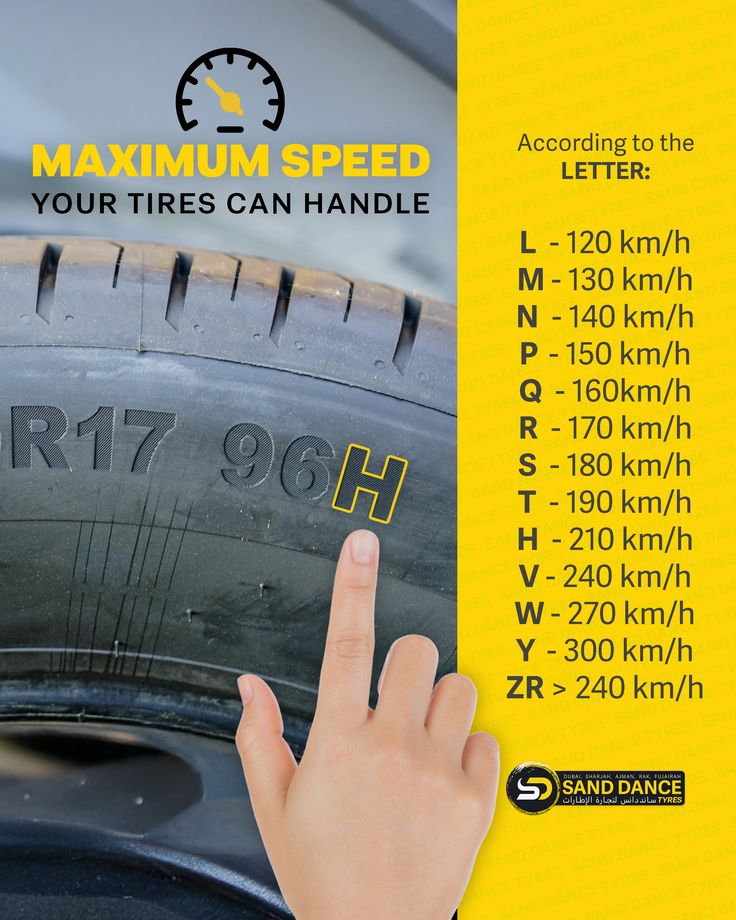
✔ Meet the required load index and speed rating
✔ Offer strong wet braking performance
✔ Feature advanced water-evacuation tread patterns
✔ Come from a reputable manufacturer
✔ Match your local climate and driving style
Conclusion
Choosing the right high-performance tires for wet roads is essential for maintaining safety, confidence, and driving enjoyment in rainy conditions. Advanced technologies such as silica-rich rubber compounds, wide circumferential grooves, and optimized tread patterns help today’s premium tires deliver exceptional wet grip, shorter braking distances, and improved resistance to hydroplaning. Models like the Michelin Pilot Sport S 5, Continental SportContact 7, Bridgestone Potenza Sport, Goodyear Eagle F1 Asymmetric 6, and Pirelli P Zero (PZ4) consistently stand out for their ability to balance dynamic performance with dependable wet-weather capability.
While selecting a high-quality tire is important, regular maintenance and responsible driving remain equally critical. By keeping your tires properly inflated, monitoring tread depth, and adjusting your speed during heavy rain, you can maximize traction and enjoy a safer, more controlled driving experience whenever the roads are wet.
